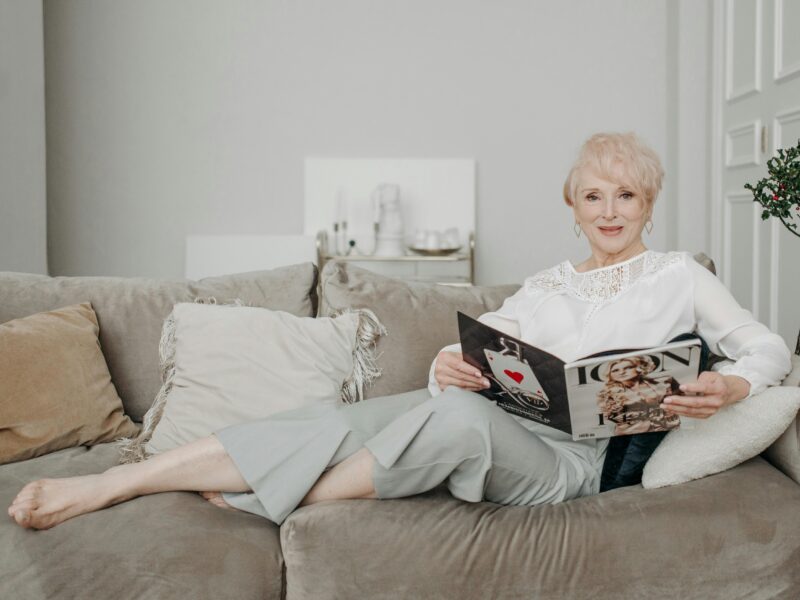
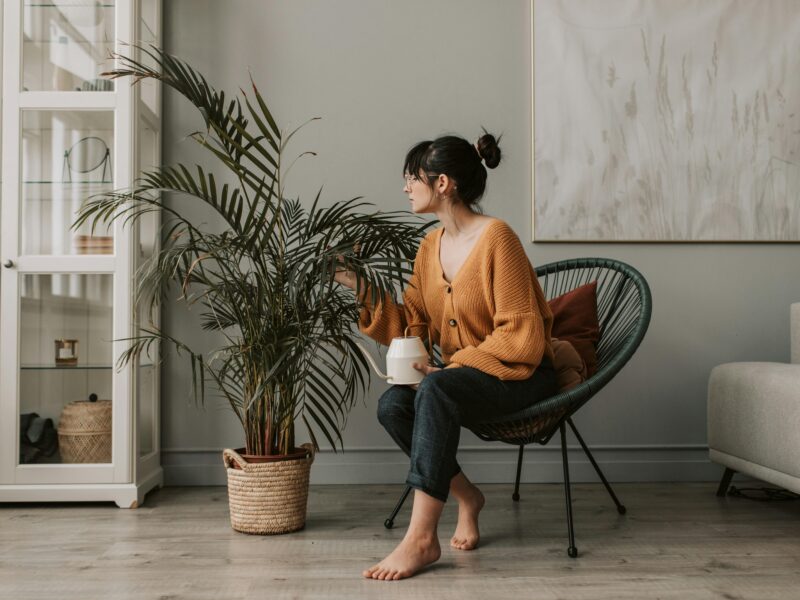
Imagine waking up in a room that feels like fresh air. The surfaces are clear, the colors are calm, and there’s space to stretch—mentally and physically. Nothing is shouting for your attention. Everything in sight has a purpose or brings you joy.
That’s the mindful magic of owning less. And it’s not just for people living in magazine-worthy homes. It’s for all of us.
What Is Minimalism, Really?
Minimalism isn’t about living with one spoon and sleeping on the floor—unless that’s your thing. It’s about intentionally choosing what to keep in your life and letting go of the rest. It’s not about emptiness, it’s about clarity.
You don’t need to go full extreme minimalism to benefit. Even small changes—like clearing your closet or turning a cluttered corner into a minimalist room—can lift a surprising amount of weight off your shoulders.
Think of minimalism as editing your life. You keep the best parts, cut the filler, and make space for what matters.
The Hidden Cost of “More”
Let’s be honest—we live in a world that constantly says, “Buy this! Upgrade that!” But more stuff often means more stress.
- More things to clean.
- More decisions to make.
- More time looking for lost items.
- More money spent on things that end up forgotten.
Ever bought something because it was on sale, only to leave it untouched for months? Yeah, me too. But becoming a minimalist helped me recognize that every item we own also owns a bit of our attention.
When you strip away the non-essentials, you make room for peace.
Real Life Example: The Closet Cleanout
A friend of mine recently tried a “closet detox.” She laid everything out, picked out the pieces she actually wore, and donated the rest. What remained was a wardrobe that made her feel confident and light.
That’s a win for her minimalist lifestyle—and her mornings are now faster, easier, and less frustrating.
You don’t have to be a fashion minimalist either. Just owning fewer, better-loved items can feel like breathing room in your day.
Minimalism in Design: Style Meets Sanity
Let’s talk aesthetics. A minimalist house doesn’t mean cold or empty. It means thoughtful. Clean lines, open space, and a feeling of calm.
A minimalist interior design often uses neutral tones, natural materials, and just a few pieces of beautiful minimalist artwork on the walls. Nothing screams for attention. Everything works together.
This minimalist style invites you to relax, recharge, and enjoy the moment without distraction.
Need some ideas? Check out How to Create a Calm Minimalist Bedroom and 10 Tiny Changes to Make Any Room More Minimal for inspiration.
The Emotional Shift: More Presence, Less Pressure
Here’s the magic part. When you start to own less, you start to feel more—more present, more grateful, more free.
You stop chasing the next “thing” and start appreciating what you already have. You notice how good your coffee tastes when you’re not sipping it while scrolling online stores. You enjoy your books more when you’re not stacking them on top of 200 others you haven’t touched.
This is where minimalist living really shines—it gives you space to just be.
You Don’t Have to Go All-In (But You Can)
Minimalism isn’t one-size-fits-all. You don’t have to go full Marie Kondo or live in a tiny white cube to start. You can try:
- One drawer at a time.
- One shelf a week.
- One “Do I really need this?” moment each day.
But if you feel inspired to try extreme minimalism, go for it! There’s a unique kind of freedom that comes from a radical reset. Read My 30-Day Minimalism Challenge: What I Learned for a gentle way to dip your toes in.
Minimalism Isn’t Just About Things
Here’s a twist—you can apply minimalism to your calendar, your digital life, and your relationships too.
Say no to plans that drain you. Unfollow accounts that don’t add joy. Let go of emotional clutter—like guilt or comparing yourself to others.
Living with less in your inbox or on your to-do list can be just as freeing as cleaning out your kitchen drawer.
Why the Minimalist Lifestyle Works for All Ages
- Teens get to focus more on passions and less on keeping up.
- Young adults save money, feel lighter when moving, and discover what really matters.
- Parents find their homes calmer, their kids less overstimulated.
- Seniors enjoy simplicity, comfort, and the joy of meaningful space.
From 14 to 80, the minimalism journey is personal—but always rewarding.
Final Thoughts: Your Space, Your Pace
Minimalism isn’t about being perfect. It’s about being mindful.
It’s about surrounding yourself with what matters most—whether that’s three pairs of shoes or thirty. Whether you love a white-on-white minimalist design or a cozy version with a few cherished objects.
You don’t need to throw everything out tomorrow. Just start with one step. Maybe clear off your nightstand. Maybe take a walk and think about what’s been weighing you down.
Then, let it go.
Because sometimes, less really is more.
Related Reads You Might Like:
- How I Went from Maxed-Out to Minimal: A Beginner’s Story
- The Secret Joys of a Minimalist Morning Routine
- Declutter Your Digital Life in 15 Minutes a Day
If you enjoyed this blog, consider sharing it with a friend who’s ready to try owning less and living more.
And remember: you don’t need more stuff to be more you.
Let’s make space for what truly matters.