Let’s be real for a second: how much of the stuff in your home do you actually use? Be honest. That third set of headphones? That drawer full of tangled cables? The closet packed with clothes you haven’t worn in years? You’re not alone. Most of us are living with way more than we need — and it’s silently stressing us out.
Welcome to the world of minimalism. No, it’s not about living with one fork and a mat on the floor (unless that’s your thing). It’s about choosing intentionally what to keep in your life — and letting go of the clutter that doesn’t serve you.
The “Less is More” Mindset
Minimalism is more than just a home décor trend — it’s a mindset shift. When you start becoming a minimalist, you’re not just cleaning out your closet. You’re making space: for clarity, for peace, for what really matters.
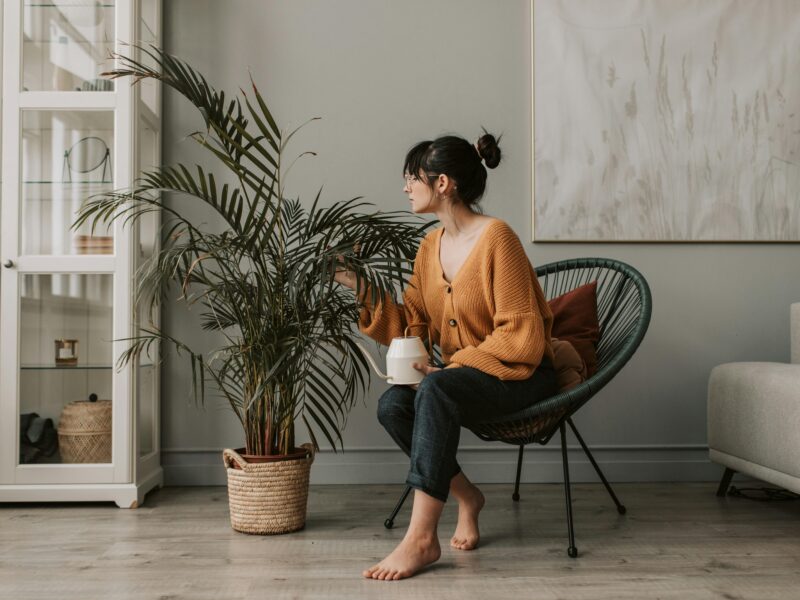
Imagine this: You walk into a minimalist room. There’s natural light, calm colors, and only a few beautiful, meaningful items. No piles of unopened mail. No half-broken chair in the corner. Just a space that breathes. That’s the power of minimalist interior design — it actually helps you breathe easier, too.
A messy room can feel like a messy mind. When you start choosing a minimalist lifestyle, your environment becomes a reflection of calm, not chaos.
From “More Stuff” to “More Life”
Let’s say you get a new gadget. It feels amazing — for a week. Then it joins the rest of your forgotten tech graveyard. That’s the problem with consumer culture: it tricks us into believing more stuff = more happiness.
But the opposite is true.
Studies show that beyond a certain point, owning more doesn’t make us happier. In fact, it often brings more stress, more debt, and more decisions. Minimalism flips that script.
Think about a minimalist house — it’s not empty, it’s intentional. Every item has a purpose or brings joy. When you cut down on the excess, you start to appreciate what you have so much more.
The Emotional Baggage of Stuff
This is where it gets real. A lot of what we hold onto isn’t just physical — it’s emotional. That dusty gift from an ex. The jeans you haven’t fit into in five years. The books you feel guilty for never reading.
Letting go of these things can feel scary. But it’s also powerful.
Becoming a minimalist is not about throwing your memories in the trash. It’s about choosing what to carry forward, and gently letting the rest go. You don’t have to practice extreme minimalism to feel the benefits. Even small changes — like clearing your nightstand or donating clothes you haven’t touched in a year — can feel incredibly freeing.
Real-Life Example: My Coffee Mug Aha Moment
Here’s a tiny example from my own life: I used to own about 15 coffee mugs. I drank from 2 of them. The rest just took up space, and half of them were chipped.
One day I packed up 10 mugs and donated them. Suddenly, my shelf looked cleaner. I could actually see and enjoy the mugs I loved. It was such a small thing, but it brought real joy.
That’s the mindful magic of owning less — it’s not about loss. It’s about gaining clarity.
Designing a Space That Breathes
Let’s talk minimalist design for a second. It’s not just for Pinterest or fancy magazines. Anyone — from a teen in a tiny dorm room to a retired couple downsizing — can embrace it.
Minimalist style is about simplicity and function. You choose pieces that are beautiful and useful. Neutral colors, clean lines, and natural textures often define minimalist artwork and décor, but it’s not about being boring. It’s about letting your space — and yourself — shine without the noise.
Whether you’re rethinking your bedroom into a cozy minimalist room or reworking your living space into a calm retreat, minimalist interior design focuses on quality over quantity.
Curious about where to start? Check out How to Create a Minimalist Room in One Weekend for simple, doable steps.
How to Start — Without Freaking Out
Okay, so you’re sold on the idea, but where do you even begin?
Start small. Choose one drawer. One shelf. One bag of clothes. Ask yourself:
- Do I use this?
- Does it bring me joy?
- Would I buy it again?
If the answer is no, maybe it’s time to let it go.
Don’t aim for extreme minimalism on Day One. This isn’t a race. It’s a journey — one small choice at a time.
Want a full beginner’s guide? Check out our blog: “Your First Steps to a Minimalist Lifestyle”
Minimalism Isn’t Just for the Rich
Some people think minimalism is for fancy, rich people with designer lamps and empty walls. Nope.
Minimalist living can save you money. A lot of it. You buy less, shop more thoughtfully, and stop wasting cash on stuff you don’t really need. That means more money for travel, savings, or whatever lights you up.
It’s also eco-friendly. The less we consume, the less we waste. And in a world drowning in plastic and fast fashion, that matters.
Final Thoughts: The Freedom of Less
Here’s the truth: owning less gives you more.
More time. More space. More energy. More room for the people and passions that matter most.
The minimalist life isn’t about deprivation. It’s about intention. And the beauty of minimalism is that it looks different for everyone. For one person, it’s clearing out their garage. For another, it’s creating a serene minimalist design workspace. For you, it might be deleting 500 old emails. (Yes, that counts!)
If you’re feeling overwhelmed by your stuff, your schedule, or your space — take a breath. And consider this simple idea:
What if you didn’t need more… to feel more?
That’s the mindful magic of owning less.
Ready to dive deeper into the minimalist lifestyle?
- Minimalism for Families: How to Declutter Without the Drama
- Minimalist Style on a Budget: Yes, It’s Possible
- Why Minimalist Living Isn’t About Being Boring
Got questions or want to share your own journey? Drop a comment below — we’d love to hear how minimalism is showing up in your life.